South to the Royal Vineyards of Oplenac
Day three took us southeast, out of Belgrade and into Šumadija, to the hilltop complex of Oplenac in the town of Topola. This is sacred ground for Serbia in more ways than one. At the top of the hill sits St. George’s Church, the mausoleum of the Serbian and Yugoslav royal house of Karađorđević. Inside, six generations of the royal family rest in a crypt beneath walls covered in more than 60 million hand-cut mosaic tiles, some dipped in real gold. It’s the kind of place photos don’t do justice.
Just down the hill is the royal vineyard, planted by King Petar I himself, where the family is currently restoring the old cellars and grounds. Tucked inside is a wine collection that survived two World Wars, a small miracle considering everything else on this hill didn’t come through that century untouched.
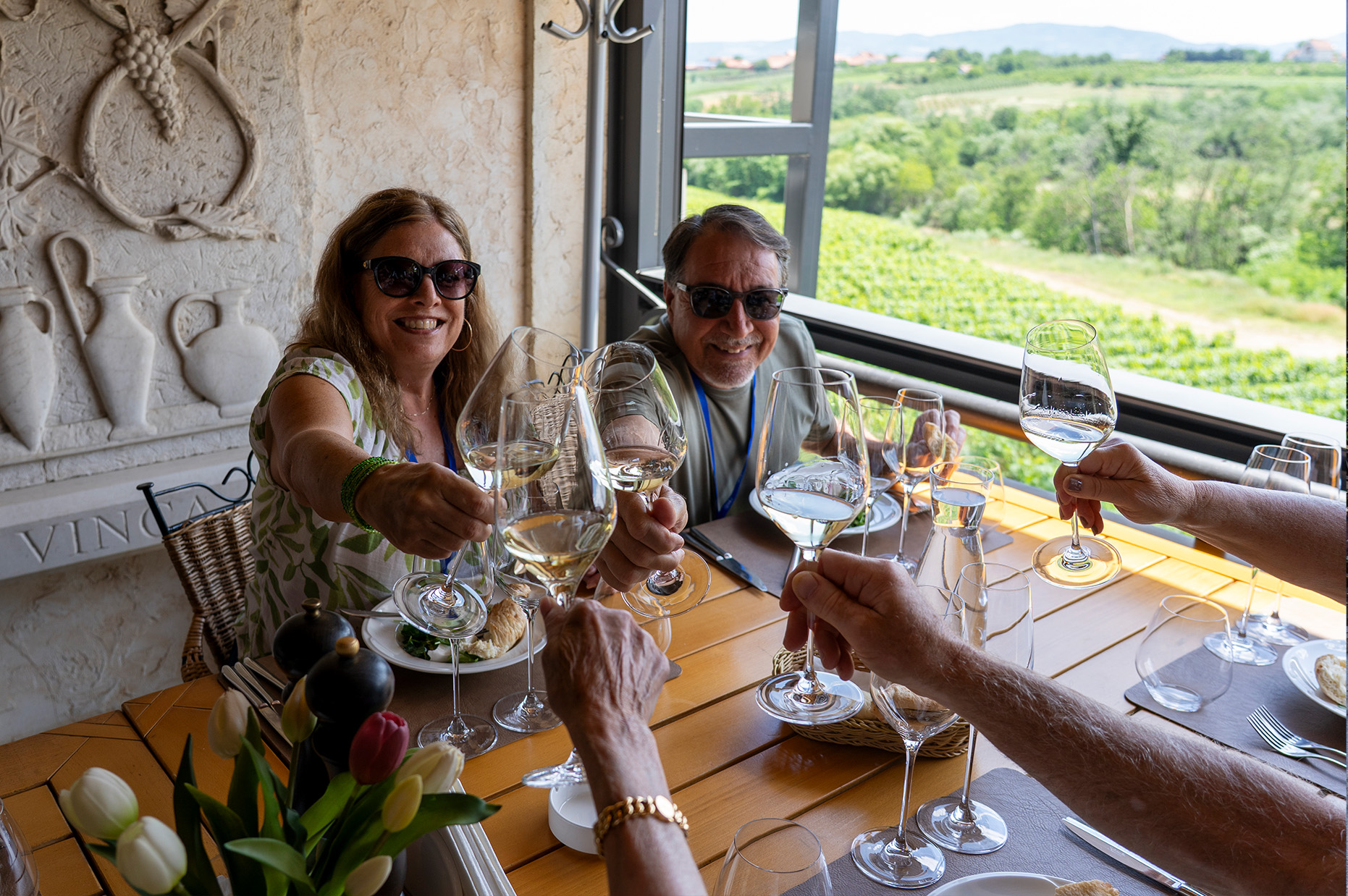
From there, we headed to Aleksandrović Winery for a tour and a wine-paired lunch. This family has been farming these hills for over a hundred years, and their flagship grape, Prokupac, is something every wine lover should know. It’s Serbia’s own indigenous variety, nearly lost during the communist era, and now back at the center of the country’s wine revival. Their Prokupac recently picked up a 97-point score from Decanter, a serious nod for a grape that almost disappeared.
Dinner that night was at Venecija, with the band Tamburica Pet providing the soundtrack to a proper family-style Balkan feast: cevapi, lamb, and a finish of crem pita that nobody had room for and everyone ate anyway.
Across to Novi Sad
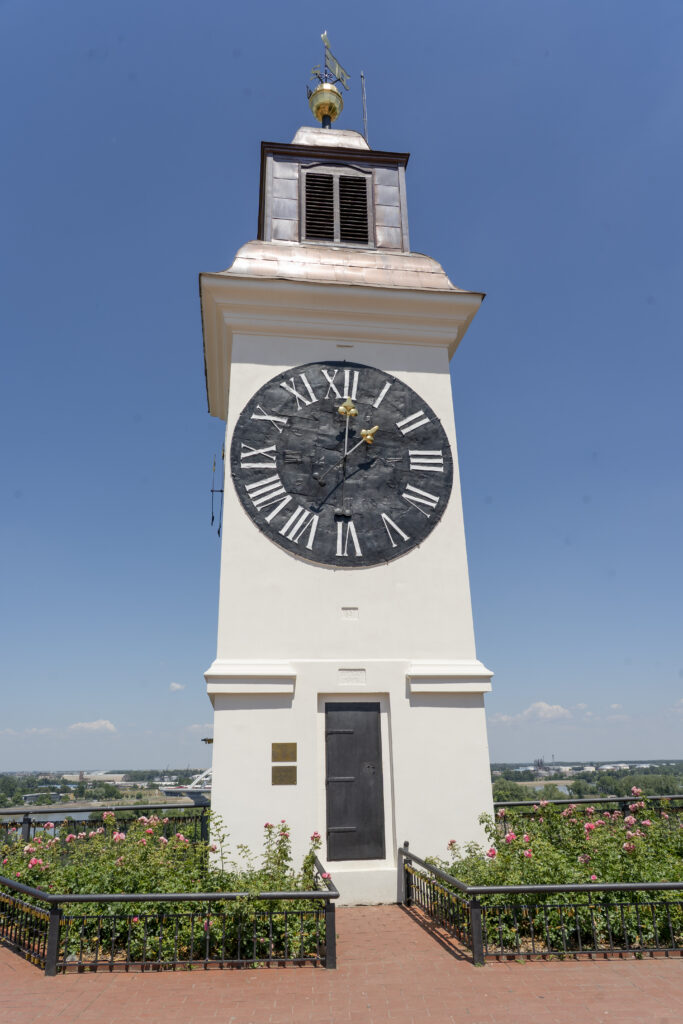
Day four took us north to Novi Sad, Serbia’s second-largest city and its cultural capital, known for its Austro-Hungarian architecture and laid-back energy. We started at Petrovaradin Fortress, perched above the Danube, home to the famous “drunken clock.” The tower’s hands are reversed, with the big hand marking the hour and the small hand marking the minutes, originally designed so river boatmen could read the time from far down the Danube. The clock also runs slightly fast in summer and slow in winter, depending on temperature, which is exactly how it earned its nickname.
From the fortress, we made our way into the city center for a midday stroll past the Serbian National Theatre, soaking in a city that feels different from Belgrade.
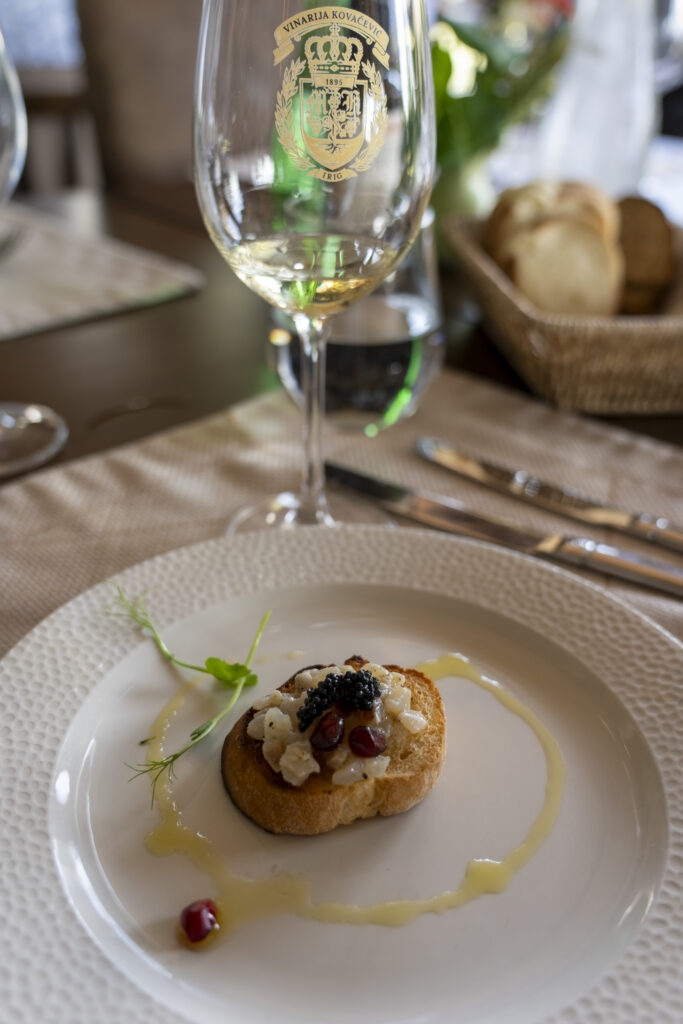
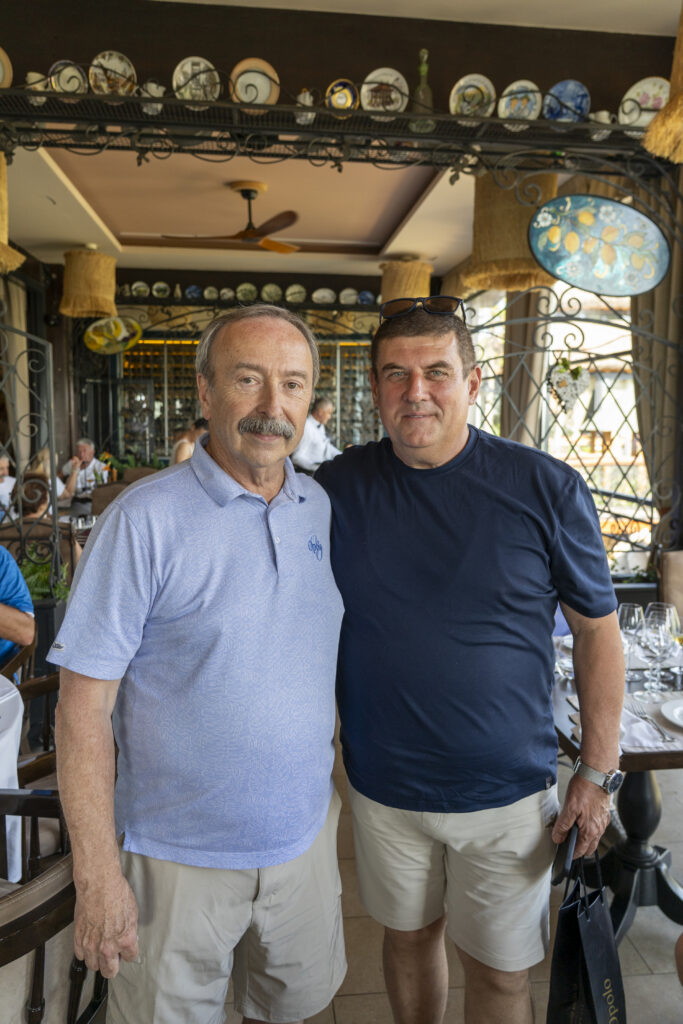
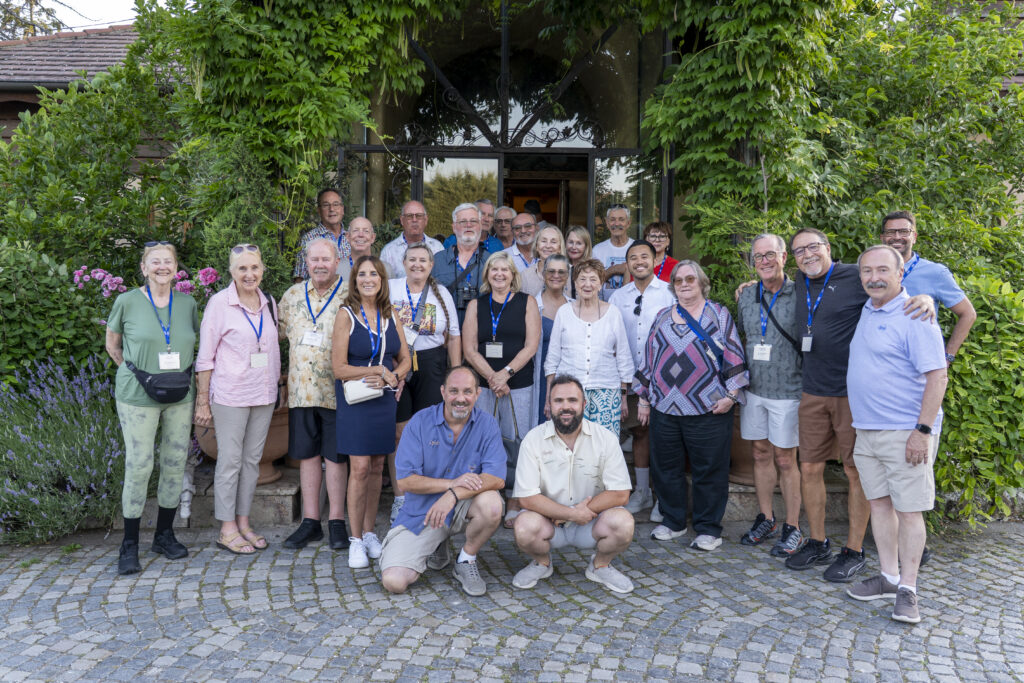
The day wrapped up with a tour of Kovačević Winery, where the family has spent decades reviving a piece of regional history. Their cellar sits inside a building that dates back to 1930, originally a cooperative wine cellar shared by local families, which then stood abandoned for years following the breakup of Yugoslavia in the 1990s. The current owner, Miroslav Kovačević, is a personal friend of our proprietor Rick Quinn. Now in its fourth generation of family operation, Kovačević is a perfect blend of old-world tradition and modern winemaking.
The visit ended with a spectacular wine-paired dinner, each course matched to a different bottle from the cellar. Kovačević has leaned heavily into organic winemaking in recent years, and the standout pour of the night was their orange wine, Amber Cuvée, made using ancient skin-contact techniques rarely seen outside small, experimental producers. It was a true treat for our travelers and a memorable way to close out a day spent tracing the family’s history from 1930 to now.
Four days in, and this trip keeps giving us more than we bargained for!